
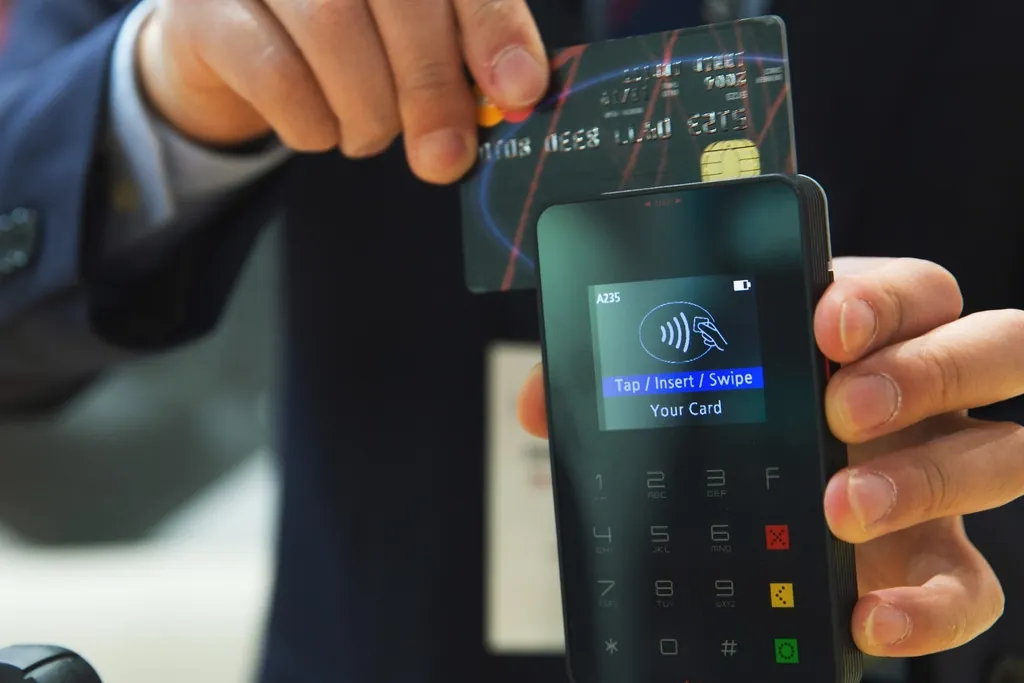
Your credit score is a three-digit number (in India, usually a CIBIL score from 300 to 900) that lenders use to decide whether to give you a loan or card, and at what interest rate. A higher score means easier approvals and cheaper borrowing — which over a home loan can mean lakhs saved. The good news: your score is built from a handful of habits, all within your control. Here’s what moves it and how to improve yours. This is general information, not financial advice; scoring details can change.
What goes into your score
You don’t need the exact formula, just the levers that matter most:
- Payment history (the biggest factor). Paying every EMI and card bill on time, every time, is the single most important thing. One missed payment hurts.
- Credit utilisation. How much of your card limit you use. Staying well under 30% of your limit helps; maxing out cards hurts.
- Length of credit history. Older accounts help, so keep your oldest card active rather than closing it.
- Credit mix and new applications. A healthy mix is fine; applying for lots of credit at once looks desperate and dents the score.
How to improve it
- Never miss a due date. Automate at least the minimum payment so a busy month can’t cost you. This one habit does the most.
- Keep utilisation low. Pay the card before the statement date, or ask for a higher limit (and don’t spend it) to lower your ratio.
- Don’t close old cards without reason — they lengthen your history and add to your available limit.
- Space out applications. Apply only when you need to, since each hard enquiry can nudge the score down.
- Check your report yearly and dispute errors — mistakes on credit reports are common and can quietly drag your score.
Be patient — and ignore the “quick fix” ads
A credit score improves with consistent good habits over months, not overnight. Anyone promising to “instantly” fix your score for a fee is best avoided. The same calm, automated approach that builds a score also runs a good money setup generally — paying on time, not overspending, and using a card as a tool. If you carry a balance, clearing that high-interest debt also frees you from the trap; see UPI vs credit card for using cards wisely.
FAQ
What’s a good CIBIL score in India?
Generally, scores around 750 and above are considered good and make loan and card approvals easier at better rates. The scale runs 300–900, and higher is better.
How long does it take to improve a credit score?
Usually months of consistent on-time payments and low utilisation, not days. There’s no legitimate instant fix — steady habits are what move it.
Does checking my own score lower it?
No. Checking your own report is a “soft” enquiry and doesn’t affect your score. Only “hard” enquiries from lenders when you apply for credit can nudge it down.
Your credit score is one piece of a healthy financial life. For the full foundation, read our cornerstone on managing money in your 20s, or browse more Money guides.
Keep reading on Super Rat Machine
Start here — core guides
- Managing Money in Your 20s: A Beginner’s Guide
- Build a Productivity System That Survives Real Life
- Plain-English Tech Words You Keep Seeing (2026 Glossary)
- Tiny Habits That Compound: A Realistic Starter Guide
- How to Land a Remote Job From India (and Anywhere Else)
- Budget Travel Playbook: Plan, Book, Pack, Repeat
All articles
Career
- Before You Create a CricketBook ID Check These 10 Important Things
- How to Ask for a Raise: Scripts and Timing
- How to Build a LinkedIn Profile That Gets Noticed
- How to Negotiate Your Salary (Even If You Hate Confrontation)
- Cover Letters Are Dead — Except When They’re Not
- Freelance vs Full-Time Remote: Which Pays Better in India?
- How to Write a Resume That Survives ATS Filters in 2026
- Remote Job Interview: 12 Questions You’ll Be Asked
- How to Land a Remote Job From India (and Anywhere Else)
Habits
- How to Drink More Water: Simple Habits That Work
- How to Build a Reading Habit That Sticks
- 30 Days of Walking 8,000 Steps: An Honest Report
- How to Stop Doomscrolling Without Deleting Every App
- Morning Routines: What the Research Actually Says
- The Cheapest Habit Tracker That Actually Works (Paper)
- Tiny Habits That Compound: A Realistic Starter Guide
Money
- How to Improve Your Credit Score in India (CIBIL Basics)
- Good Debt vs Bad Debt: How to Tell the Difference
- How to Make a Monthly Budget That Actually Works
- How to Build a 3-Month Emergency Fund on a Small Salary
- Tax-Saving Investments for Salaried Employees (Section 80C Recap)
- Health Insurance for First-Time Buyers (India): What to Look For
- SIP vs Lump Sum: The Honest Comparison
- UPI vs Credit Card: When Each One Actually Wins
- Managing Money in Your 20s: A Beginner’s Guide
online batting
- Cricket ID – Complete Account Setup & User Information
- Skyexchange ID – Simple Account Setup Explained
- Getting Started with Laser247 Online for the First Time
- Cricbet99 New ID – Register Online & Login
- Laser247 Online – Important Features to Explore
- Cricbet99 ID – New User Registration Guide
- Playinmatch99 Online: Complete User Guide and Login Tips
- Laser247 ID – What Every New User Should Know
- Laser247 ID – Everything You Need to Know
- Online Cricket ID Provider: Features and Benefits Explained
- Trusted Cricket ID Login Guide: Simple Steps for Safe Account Access
- How to Protect Your Cricket ID Online Account
- Tiger Exchange Guide: Everything You Should Know Before Getting Started
- Tigerexch: Complete Guide to Features, Login & Online Access
online game
- Cricket ID – Complete Account Setup & User Information
- Laser247 Online – Important Features to Explore
- Playinmatch99 Online: Complete User Guide and Login Tips
- Laser247 ID – What Every New User Should Know
- Online Cricket ID Provider: Features and Benefits Explained
- Tiger Exchange Guide: Everything You Should Know Before Getting Started
- Tigerexch: Complete Guide to Features, Login & Online Access
Productivity
- Deep Work vs Shallow Work: How to Protect Your Focus
- How to Beat Procrastination: A Practical, No-Guilt Guide
- The Eisenhower Matrix: Prioritise When Everything Feels Urgent
- The Best Free Note-Taking Apps in 2026
- Time-Blocking for People Who Hate Time-Blocking
- Why Your To-Do List Keeps Failing (and the Fix)
- The 2-Minute Rule, Tested for 30 Days
- Build a Productivity System That Survives Real Life
Tech
- VPNs Explained: What They Do (and What They Don’t)
- Password Managers Explained: Why You Need One in 2026
- How to Spot a Phishing Email: 7 Red Flags
- Best Budget Laptops Under ₹50,000 in 2026: What to Look For
- Two-Factor Authentication: Set It Up in 10 Minutes
- RAM vs Storage vs Cloud: What’s the Difference?
- What Is an LLM, Really? A No-Jargon Explainer
- Plain-English Tech Words You Keep Seeing (2026 Glossary)