
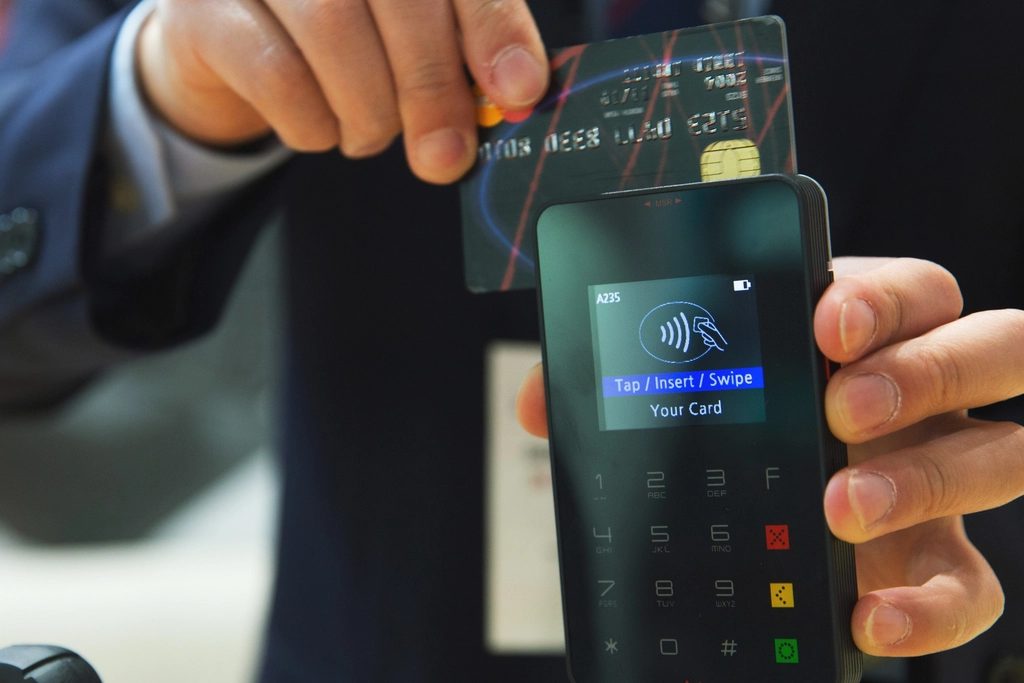
UPI vs credit card is a daily question in India: you’re at the counter, both work, so which should you actually use? The honest answer is that each wins in different situations. Here’s a clear breakdown of when UPI is the smart choice and when a credit card quietly does more for you.
When UPI wins
- Small, everyday spends. Fast, free, and instant from your bank account — perfect for chai, autos, and groceries.
- Paying people directly. Splitting a bill or paying a local vendor is effortless.
- Staying in budget. Money leaves your account immediately, so you feel the spend and can’t overspend money you don’t have.
When a credit card wins
- Big or online purchases. Rewards, and stronger protection if something goes wrong or doesn’t arrive.
- Building a credit score. Responsible card use (paid in full) builds the history that gets you better loans later. UPI does nothing for your credit score.
- A short, interest-free float. Used carefully, a card gives you a few weeks before the bill is due — handy for cash-flow timing.
The one rule that decides it
Use a credit card only if you pay the full statement balance every month. Carry a balance and the interest (often 30%+ a year) wipes out every reward and then some. If you tend to overspend on a card, stick with UPI — the instant pinch keeps you honest.
A simple personal policy
- Daily small spends and person-to-person: UPI.
- Big buys, online shopping, and anything you want protected: credit card, paid in full.
- If a card balance ever rolls over: stop using it until it’s cleared.
FAQ
Does UPI affect my credit score?
No. UPI draws straight from your bank account and isn’t reported to credit bureaus. Only credit products like cards and loans build your score.
Is it bad to use a credit card for everything?
Not if you pay it in full each month and don’t overspend. The danger is carrying a balance or letting rewards tempt you into buying more.
This is part of the bigger money picture. See our cornerstone on managing money in your 20s, start your safety net with a 3-month emergency fund, or browse more Money guides.
Keep reading on Super Rat Machine
Start here — core guides
- Managing Money in Your 20s: A Beginner’s Guide
- Build a Productivity System That Survives Real Life
- Plain-English Tech Words You Keep Seeing (2026 Glossary)
- Tiny Habits That Compound: A Realistic Starter Guide
- How to Land a Remote Job From India (and Anywhere Else)
- Budget Travel Playbook: Plan, Book, Pack, Repeat
All articles
Career
- Before You Create a CricketBook ID Check These 10 Important Things
- How to Ask for a Raise: Scripts and Timing
- How to Build a LinkedIn Profile That Gets Noticed
- How to Negotiate Your Salary (Even If You Hate Confrontation)
- Cover Letters Are Dead — Except When They’re Not
- Freelance vs Full-Time Remote: Which Pays Better in India?
- How to Write a Resume That Survives ATS Filters in 2026
- Remote Job Interview: 12 Questions You’ll Be Asked
- How to Land a Remote Job From India (and Anywhere Else)
Habits
- How to Drink More Water: Simple Habits That Work
- How to Build a Reading Habit That Sticks
- 30 Days of Walking 8,000 Steps: An Honest Report
- How to Stop Doomscrolling Without Deleting Every App
- Morning Routines: What the Research Actually Says
- The Cheapest Habit Tracker That Actually Works (Paper)
- Tiny Habits That Compound: A Realistic Starter Guide
Money
- How to Improve Your Credit Score in India (CIBIL Basics)
- Good Debt vs Bad Debt: How to Tell the Difference
- How to Make a Monthly Budget That Actually Works
- How to Build a 3-Month Emergency Fund on a Small Salary
- Tax-Saving Investments for Salaried Employees (Section 80C Recap)
- Health Insurance for First-Time Buyers (India): What to Look For
- SIP vs Lump Sum: The Honest Comparison
- UPI vs Credit Card: When Each One Actually Wins
- Managing Money in Your 20s: A Beginner’s Guide
online batting
- Cricket ID – Complete Account Setup & User Information
- Skyexchange ID – Simple Account Setup Explained
- Getting Started with Laser247 Online for the First Time
- Cricbet99 New ID – Register Online & Login
- Laser247 Online – Important Features to Explore
- Cricbet99 ID – New User Registration Guide
- Playinmatch99 Online: Complete User Guide and Login Tips
- Laser247 ID – What Every New User Should Know
- Laser247 ID – Everything You Need to Know
- Online Cricket ID Provider: Features and Benefits Explained
- Trusted Cricket ID Login Guide: Simple Steps for Safe Account Access
- How to Protect Your Cricket ID Online Account
- Tiger Exchange Guide: Everything You Should Know Before Getting Started
- Tigerexch: Complete Guide to Features, Login & Online Access
online game
- Cricket ID – Complete Account Setup & User Information
- Laser247 Online – Important Features to Explore
- Playinmatch99 Online: Complete User Guide and Login Tips
- Laser247 ID – What Every New User Should Know
- Online Cricket ID Provider: Features and Benefits Explained
- Tiger Exchange Guide: Everything You Should Know Before Getting Started
- Tigerexch: Complete Guide to Features, Login & Online Access
Productivity
- Deep Work vs Shallow Work: How to Protect Your Focus
- How to Beat Procrastination: A Practical, No-Guilt Guide
- The Eisenhower Matrix: Prioritise When Everything Feels Urgent
- The Best Free Note-Taking Apps in 2026
- Time-Blocking for People Who Hate Time-Blocking
- Why Your To-Do List Keeps Failing (and the Fix)
- The 2-Minute Rule, Tested for 30 Days
- Build a Productivity System That Survives Real Life
Tech
- VPNs Explained: What They Do (and What They Don’t)
- Password Managers Explained: Why You Need One in 2026
- How to Spot a Phishing Email: 7 Red Flags
- Best Budget Laptops Under ₹50,000 in 2026: What to Look For
- Two-Factor Authentication: Set It Up in 10 Minutes
- RAM vs Storage vs Cloud: What’s the Difference?
- What Is an LLM, Really? A No-Jargon Explainer
- Plain-English Tech Words You Keep Seeing (2026 Glossary)